


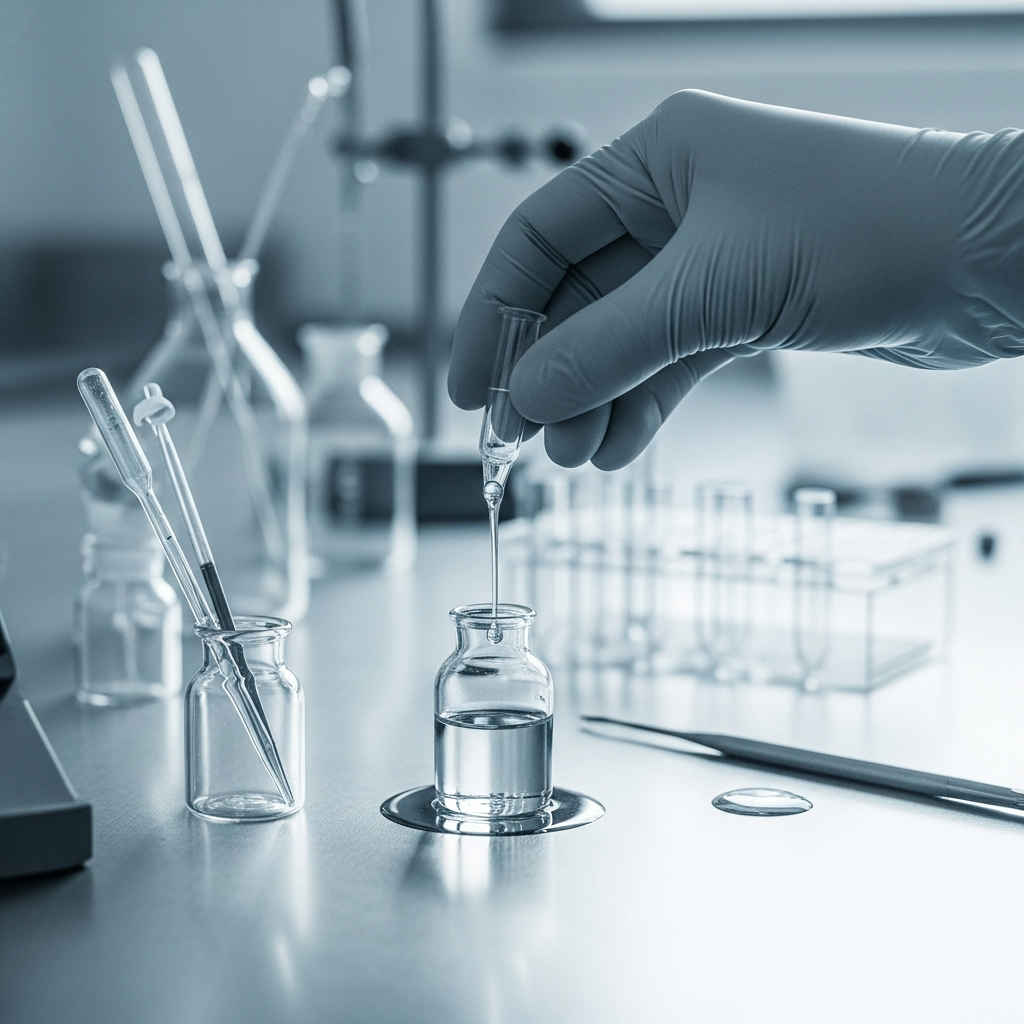
In luxury commercial and residential spaces, malodor is more than a nuisance; it is a detriment to the brand and an indicator of underlying contamination. Standard cleaning products often rely on masking agents, a temporary fix that fails to address the molecular source of the problem. True odor remediation is a precise science, requiring a deep understanding of chemical interactions to neutralize, not just cover, the volatile organic compounds (VOCs) that register as offensive smells. For facility managers and property owners, moving beyond superficial treatments to embrace advanced odor control chemistry is critical for protecting textile assets and ensuring a genuinely pristine environment.
The first principle in professional odor remediation is selecting the correct odorcide agent, a choice dictated by the nature of the bio-contaminant. Biological agents, or enzymatic cleaners, are not soaps; they are complex proteins that act as catalysts to dismantle specific organic soils. For instance, protease enzymes specifically target and break down protein-based contaminants like blood or urine into smaller, odorless amino acids. This process continues until the food source is entirely consumed, achieving complete molecular neutralization. Conversely, oxidizing agents like stabilized chlorine dioxide operate through a different mechanism known as molecular cleaving. They permanently alter odorous molecules by stripping them of electrons, changing their chemical structure into inert, odorless compounds. Research shows advanced oxidizers can penetrate and destroy biofilms where odor-causing bacteria thrive, proving more effective across a wider pH range than many traditional solutions.
Chemical efficacy, however, is rendered ineffective if the odor source remains. Many persistent odors, particularly from pet urine, are not in the carpet fibers but have permeated the padding and even the subfloor. This reality necessitates a mechanical and chemical synergy through sub-surface extraction. This advanced remediation technique uses specialized tools to flush a high volume of precisely formulated cleaning solution through the carpet face, into the padding, and against the subfloor. This action rehydrates uric acid crystals and emulsifies contaminants before a high-powered vacuum extracts nearly 95% of the liquid and dissolved soil. Scientific analysis of contaminated carpets demonstrates that without this physical removal, VOCs will continue to off-gas, and odors will inevitably return, especially in humid conditions.
Ultimately, achieving permanent odor elimination in high-value carpets is not a matter of a single product, but a strategic application of remediation science. The process involves correctly diagnosing the contaminant to deploy the appropriate chemical countermeasure—be it enzymatic digestion or chemical oxidation—and employing advanced mechanical processes like sub-surface extraction to remove the source entirely. Protecting the integrity and longevity of your flooring assets requires a partnership with professionals who command this level of chemical and procedural expertise, ensuring the environment is clean on a molecular level.
No responses yet