


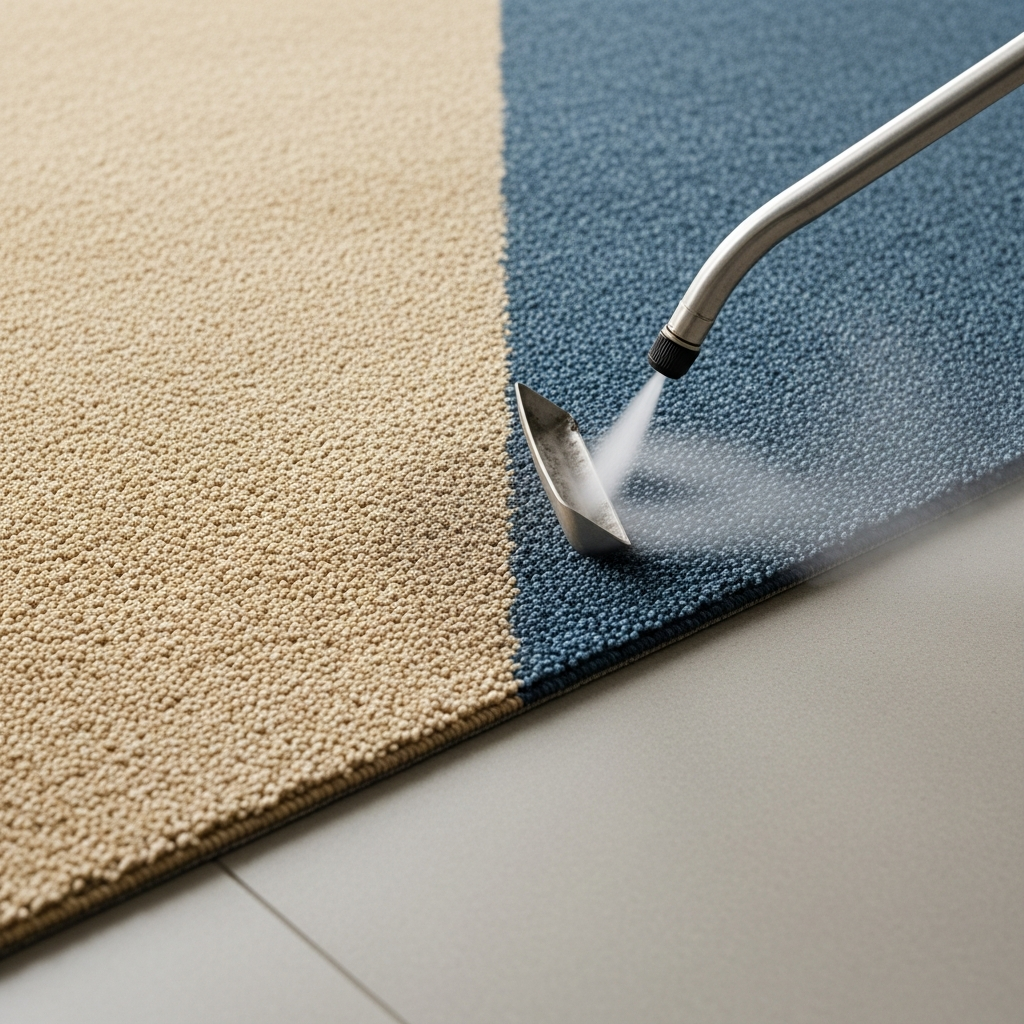
In the world of luxury interiors and high-stakes corporate environments, carpet maintenance is not merely about appearance; it’s a science dedicated to preserving assets and ensuring healthy indoor spaces. The effectiveness of a cleaning protocol is not subjective but a measurable outcome defined by soil removal rates, moisture content, and the mitigation of biological contaminants. Moving beyond outdated assumptions, an examination of the core science behind today’s leading carpet cleaning technologies reveals a clear hierarchy of performance based on empirical data.
The industry benchmark for deep restorative cleaning remains Hot Water Extraction (HWE), often called steam cleaning. Its efficacy is rooted in thermal and chemical principles. Research shows that professionally executed HWE, using water heated to over 200°F, can remove more than 97% of embedded dirt and bacteria. This process leverages high-pressure injection to dislodge particulate matter from the lowest layers of the carpet pile, followed by immediate recovery with powerful vacuum systems. The Carpet and Rug Institute’s (CRI) Seal of Approval program scientifically validates this, testing extractors on soil removal, residual moisture, and texture retention. Certified truck-mounted systems demonstrate superior moisture removal, leaving carpets dry in 6-8 hours and significantly reducing the risk of mold or mildew, which can arise from the over-wetting caused by inferior equipment.
Conversely, low-moisture (VLM) methods, particularly polymer encapsulation, have emerged as a dominant force in commercial maintenance for their efficiency and rapid drying times—often under two hours. This technology utilizes specialized crystallizing polymers that surround and encapsulate dirt particles. As the solution dries, the encapsulated soil is released from the carpet fibers and is then removed through subsequent vacuuming. While not designed for the same level of deep soil extraction as HWE, studies show high-performing encapsulation systems effectively remove up to 80% of dry soil. This makes it an ideal interim method that extends the time between deep cleanings, reduces wear on fibers, and keeps high-traffic areas consistently presentable with minimal operational downtime.
Ultimately, the science indicates a strategic, hybrid approach yields the best long-term results. The optimal strategy pairs the deep, restorative power of periodic Hot Water Extraction with the efficient, appearance-focused maintenance of low-moisture encapsulation. For facility managers and property owners, this data-driven methodology moves carpet care from a reactive task to a proactive asset preservation strategy. Choosing a method is no longer about preference but about aligning the right technology with the specific soil load, traffic patterns, and operational needs of the environment to achieve scientifically measurable cleanliness and protect your investment.
No responses yet