

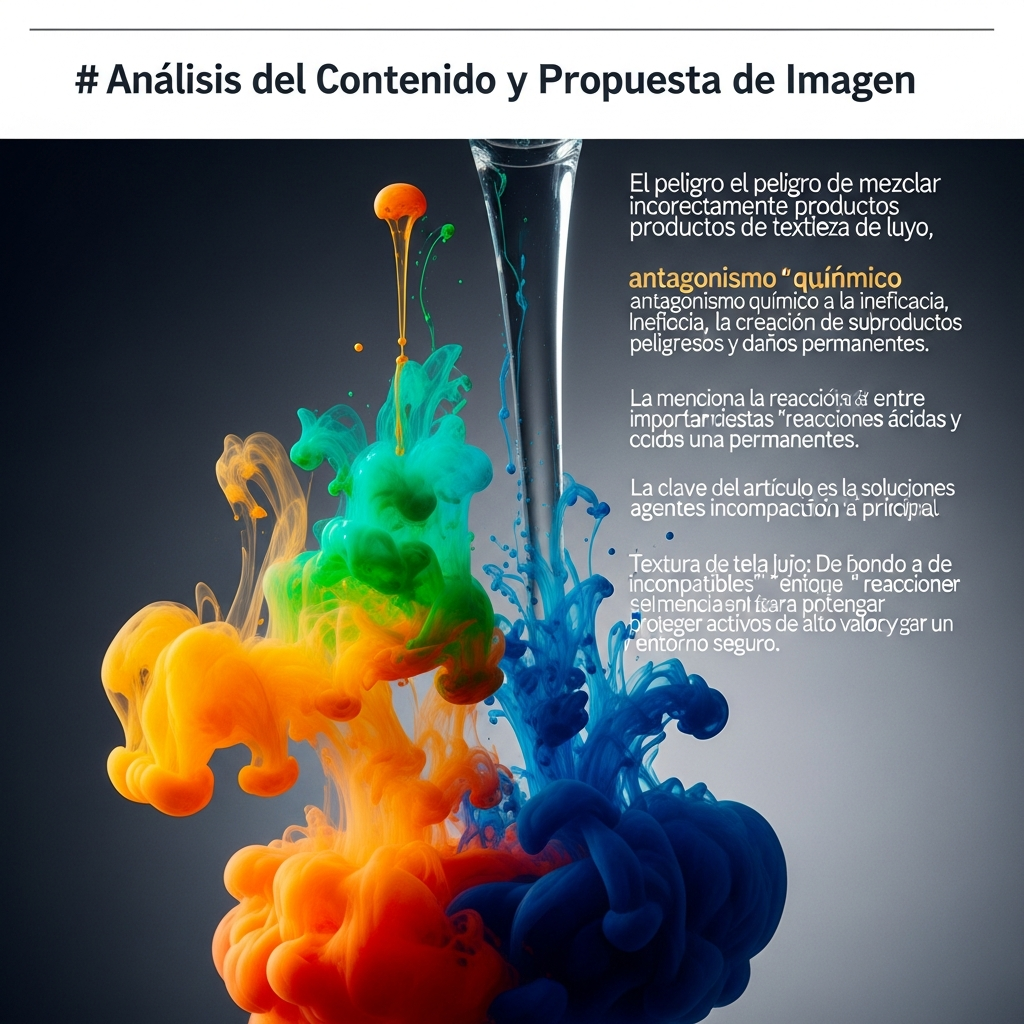
In the world of luxury textile care, precision is paramount. While the focus is often on the visible outcome, a microscopic battle of chemical dynamics unfolds within the carpet fibers. The improper mixing of cleaning agents, a phenomenon known as chemical antagonism, doesn’t just neutralize efficacy—it can create hazardous byproducts and permanent textile damage. Understanding these incompatible agent reactions is not merely best practice; it is a fundamental requirement for protecting high-value assets and ensuring a safe environment. The consequences of overlooking this critical knowledge can range from aesthetic ruin to significant health risks.
A primary concern is the reaction between acidic and alkaline solutions. For instance, combining an acidic rust remover (often containing hydrofluoric or oxalic acid) with an alkaline degreaser (containing sodium hydroxide) can cause a violent neutralization reaction. This not only renders both agents useless but can generate enough heat to damage synthetic carpet fibers like nylon or polyester, which have specific temperature tolerances. More insidious is the formation of insoluble precipitates. Research shows that mixing certain detergents containing anionic surfactants with sanitizers based on cationic quaternary ammonium compounds can reduce the sanitizer’s antimicrobial efficacy by over 90%. The resulting soap scum, or precipitate, binds tightly to fibers, creating a sticky residue that attracts soil at an accelerated rate, leading to rapid re-soiling and a dull appearance that defies conventional cleaning attempts.
Beyond fiber damage and residue, the most alarming outcome is toxic gas formation. The quintessential example, widely documented yet still a recurring issue, is the combination of chlorine bleach (sodium hypochlorite) and ammonia-based cleaners. This mixture produces chloramine gas (NH2Cl), a severe respiratory irritant causing coughing, shortness of breath, and nausea, even at low concentrations. Similarly, mixing bleach with an acidic cleaner generates pure chlorine gas, a chemical warfare agent from WWI. This gas is dangerously corrosive to lung tissue. These reactions underscore the non-negotiable importance of strict chemical protocols, proper ventilation, and never assuming that if one chemical is good, two are better. A single misstep can turn a routine cleaning task into a hazardous materials incident.
Ultimately, mastery in professional carpet care extends deep into the molecular level. Protecting premier textiles requires a disciplined approach grounded in chemistry, not guesswork. Technicians must be rigorously trained to identify agent classifications, understand pH values, and respect chemical data sheets. The safest and most effective strategy is always to use a single, correctly diluted product as intended, thoroughly rinsing before introducing a different chemical class if sequential treatments are necessary. This diligence prevents chemical antagonism, avoids permanent damage from precipitate formation, and, most critically, mitigates the risk of creating a toxic environment for both technicians and building occupants. True expertise lies in achieving superior results with chemical intelligence and safety as the cornerstones.
No responses yet