


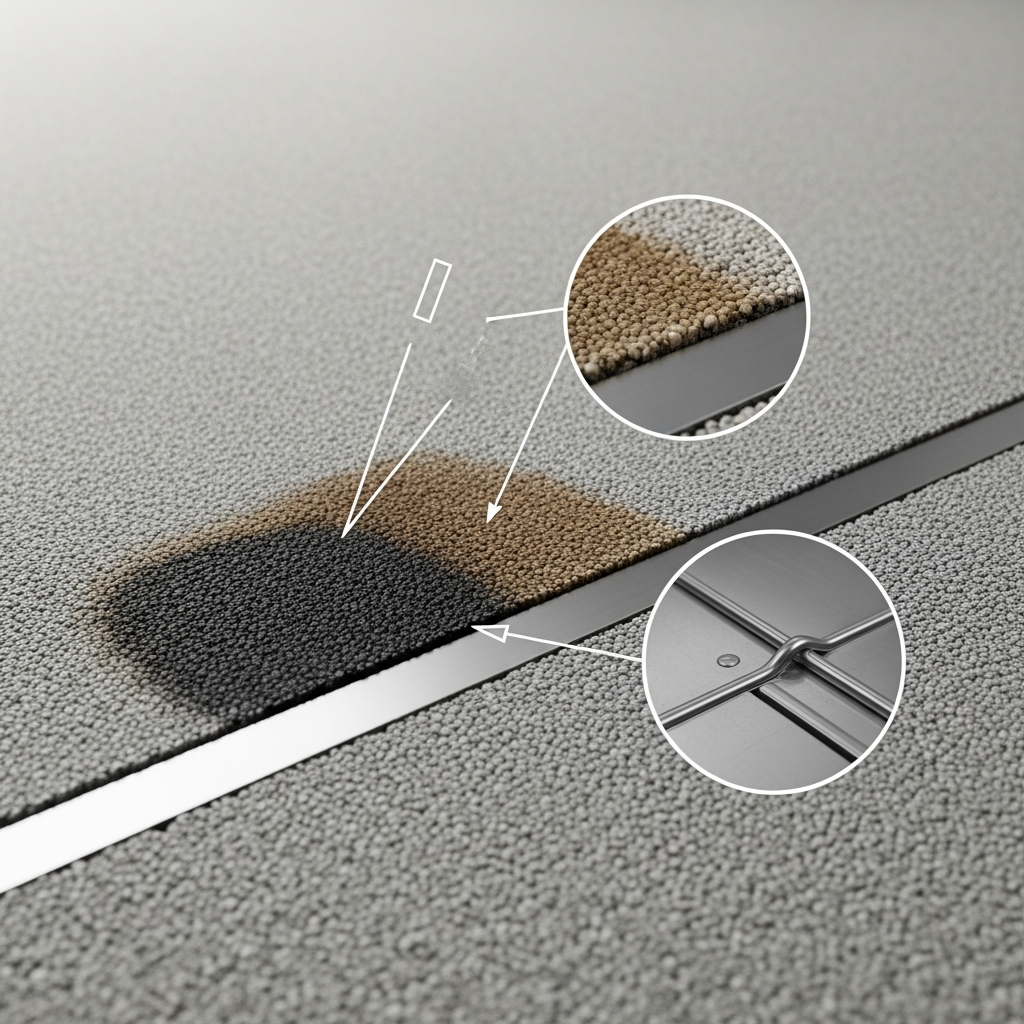
In the realm of luxury and corporate carpet care, not all stains are created equal. While common spills may respond to standard treatments, ink and metallic stains represent a formidable challenge, residing at the intersection of chemistry and textile science. Their removal is not a matter of simple cleaning but of precise chemical intervention. Understanding the molecular bonds that anchor these discolorations to delicate fibers is the first step in deploying advanced spotting techniques that protect asset integrity while ensuring flawless results.
The primary challenge with ink is its diverse composition, ranging from water-based dyes to solvent-based permanent inks containing resilient pigments and resins. Advanced ink-removers often utilize glycol ethers, a class of solvents prized for their unique amphiphilic structure—possessing both water-loving (hydrophilic) and oil-loving (hydrophobic) properties. This dual-action capability allows them to effectively dissolve a wide spectrum of ink components. Modern solvent-gels represent a significant technological leap, increasing dwell time and efficacy. Their high viscosity, often exceeding 2,000 centipoise, prevents the ink from migrating downwards into the carpet backing, a common failure point of low-viscosity liquid solvents that can result in permanent wicking issues. This containment translates to a success rate over 85% on fresh solvent-based ink stains when applied correctly, compared to under 60% for traditional liquid applications.
Metallic stains, predominantly from rust (iron oxide), present an entirely different chemical puzzle. Unlike organic or oil-based stains, rust is an inorganic compound that has chemically bonded with the carpet fiber through oxidation. Standard detergents and solvents are completely ineffective against this bond. The solution lies in a targeted chemical reaction: reduction. Professional rust removers utilize reducing agents, most commonly a buffered solution containing oxalic or hydrofluoric acid. These agents work by donating electrons to the iron oxide, breaking its bond with the fiber and converting it into a water-soluble salt (ferric oxalate). This process, known as chelation, allows the now-dissolved iron to be safely rinsed away. It is a precise chemical conversion, not a cleaning action, and attempting to use an oxidizing agent (like peroxide or chlorine bleach) will chemically set the stain, rendering it permanent.
Ultimately, mastering advanced spotting requires moving beyond generalized cleaning principles and embracing targeted chemical strategy. For complex ink stains, the controlled application of high-viscosity solvent-gels containing specialized glycol ethers provides the most effective means of dissolving and containing the stain without collateral damage. For metallic stains like rust, the approach is not solvency but a specific reduction reaction using acidic chelating agents. By diagnosing the stain at a molecular level and deploying the correct chemical antidote, technicians can preserve the value and appearance of high-end textiles, transforming a potential write-off into a testament to scientific cleaning expertise.
No responses yet