


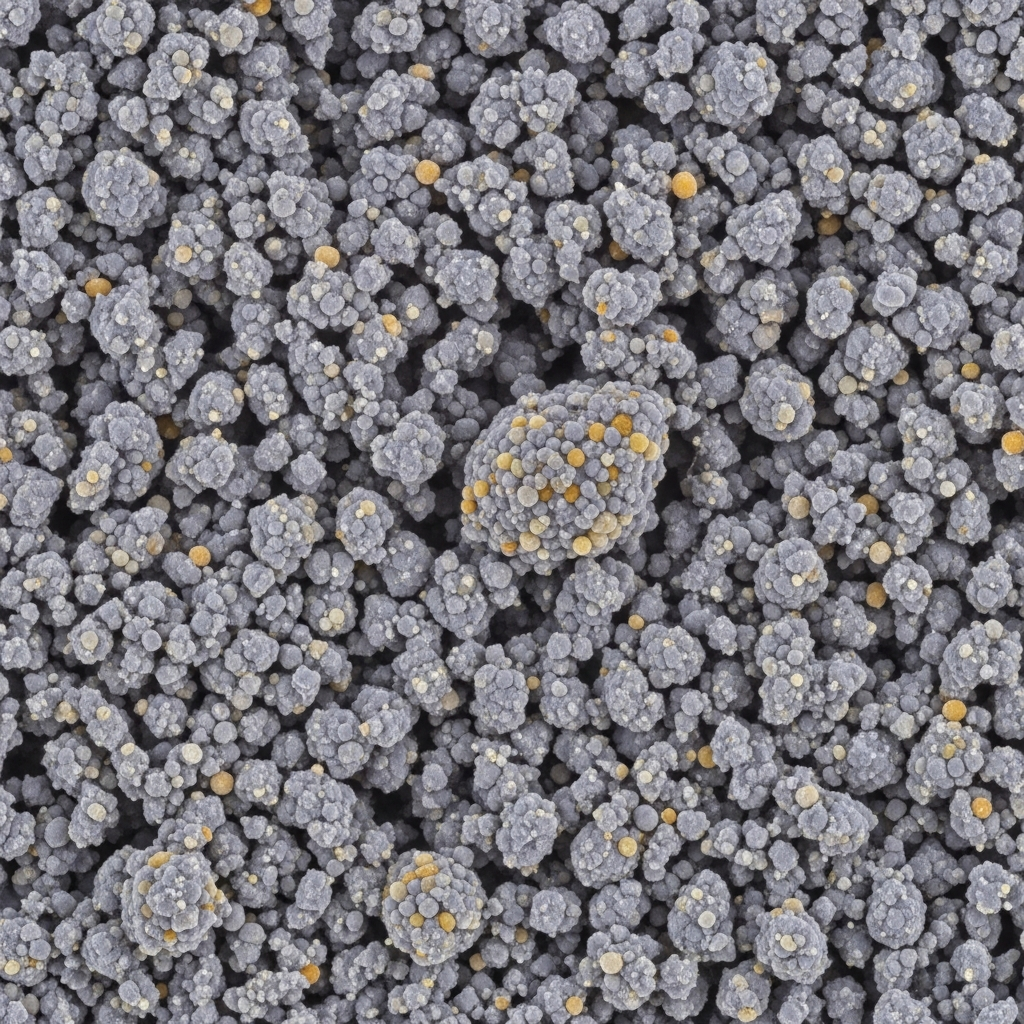
For discerning property owners, indoor air quality is not a luxury—it is a standard. While often implicated in respiratory distress, sophisticated research reveals that carpet plays a dual role, acting as both a potential reservoir for contaminants and a powerful filter for airborne particles. Understanding the science behind how allergens accumulate within carpet fibers is the first step toward creating a truly pristine and healthy indoor environment. The key is not to view carpet as the problem, but to recognize professional maintenance as the definitive solution.
Scientific investigations consistently show that textile flooring acts as a significant sink for indoor pollutants. Studies have found that carpets can contain substantially higher levels of allergens compared to hard surfaces; in some cases, dust mite allergen concentrations in carpeting were measured to be 6 to 14 times higher than on smooth floors. A single square foot of carpet can hold up to one pound of particulate soil, including dust, pet dander, and pollen, before it even appears visibly soiled. This trapping mechanism can actually improve air quality by holding allergens within the pile, preventing them from becoming airborne through daily activity. However, this benefit is finite. Once saturated, the carpet’s filtering capacity diminishes, and it can become a source of contamination itself.
This is where cleaning science becomes paramount. Standard vacuuming, while essential, primarily removes surface-level debris and is often insufficient to extract the microscopic allergens embedded deep within the carpet’s foundation. In contrast, laboratory testing has demonstrated the profound efficacy of professional hot water extraction. This method, often called steam cleaning, uses high-temperature water to dissolve and dislodge resilient allergen proteins. Paired with industrial-grade suction, the process physically removes contaminants from the carpet. Research confirms that hot water extraction can eliminate up to 97% of common non-living allergens, such as dust mite debris and pet dander, effectively resetting the carpet’s ability to filter the air.
Ultimately, a carpet’s impact on indoor air quality is directly tied to its maintenance protocol. Treating your carpet as a high-performance air filter that requires regular, professional servicing is crucial for a healthier environment. By removing the vast accumulation of trapped pollutants through scientifically-backed methods like hot water extraction, you restore the carpet’s function and ensure the air within your space remains exceptionally clean. A consistent professional cleaning schedule is not merely an aesthetic choice; it is a critical investment in the health and well-being of all occupants.
No responses yet