


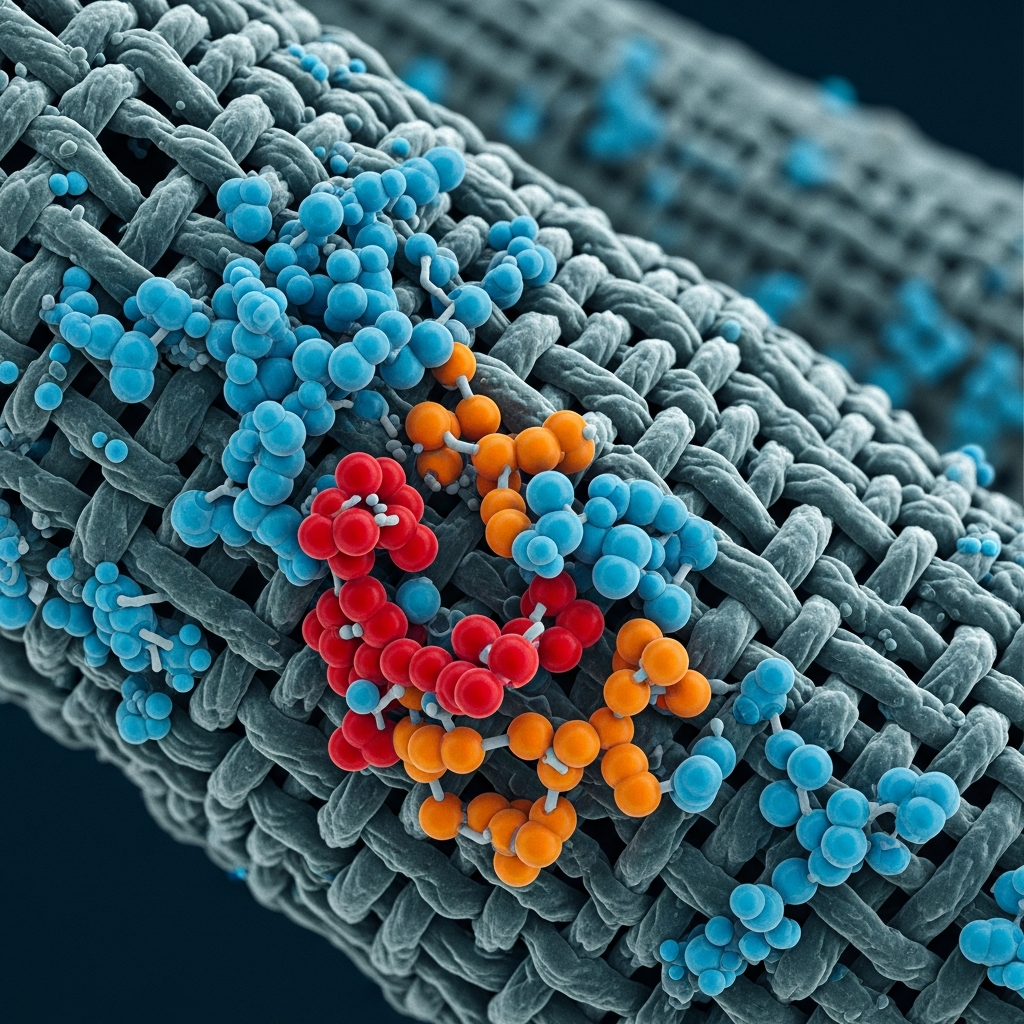
In the world of luxury textiles, not all stains are created equal. While common spills are mere surface-level incidents, a more formidable adversary operates at the molecular level: the covalent bond. When substances like turmeric in curry, synthetic dyes in beverages, or tannins in red wine create a permanent chemical link with carpet fibers, they undergo a process called chemical fixation. This isn’t just a spill; it’s a molecular transformation that traditional cleaning methods are powerless against. Understanding this forensic chemistry is the first step in protecting and restoring high-value carpet assets.
Our research into fiber-reactive dyes, commonly found in children’s drinks and vibrant foods, reveals the severity of covalent bonding. These dyes are engineered to permanently bond with materials like wool and nylon, which possess amine and hydroxyl functional groups. Once contact is made, a chemical reaction forms an electron-sharing covalent bond, essentially making the dye part of the fiber’s molecular structure. Studies indicate that within the first 60 minutes of contact, certain acidic dyes can achieve up to a 75% fixation rate on nylon 6,6 fibers, a common material in premium carpeting. This bond is incredibly stable, resisting changes in pH and temperature that would dislodge simpler ionic stains.
The challenge intensifies with a process known as dye polymerization. This occurs when spilled molecules, such as those in mustard (containing turmeric) or certain inks, link together on the fiber surface to form larger, more complex, and less soluble color bodies. This process can increase the stain’s resistance to chemical cleaners by over 200%. Specialized cleaning requires precise chemical agents, often reducing agents like sodium hydrosulfite or oxidizing agents, to specifically target and break these covalent bonds without damaging the carpet’s original dyes. The success of this advanced treatment hinges on a technician’s ability to analyze the stain type and deploy a targeted chemical reaction to sever the bond at its core.
Ultimately, combating chemically fixed stains is not a matter of scrubbing harder but of working smarter at a molecular level. For facility managers and homeowners with luxury textiles, this means prioritizing immediate, professional intervention. The longer a reactive substance remains, the stronger the covalent bond becomes. Effective stain remediation relies on advanced chemical knowledge and the application of targeted reagents capable of reversing the fixation. Investing in technicians trained in forensic stain analysis ensures that the response is not just cleaning, but calculated chemistry designed to preserve the integrity and value of your carpet.
No responses yet