


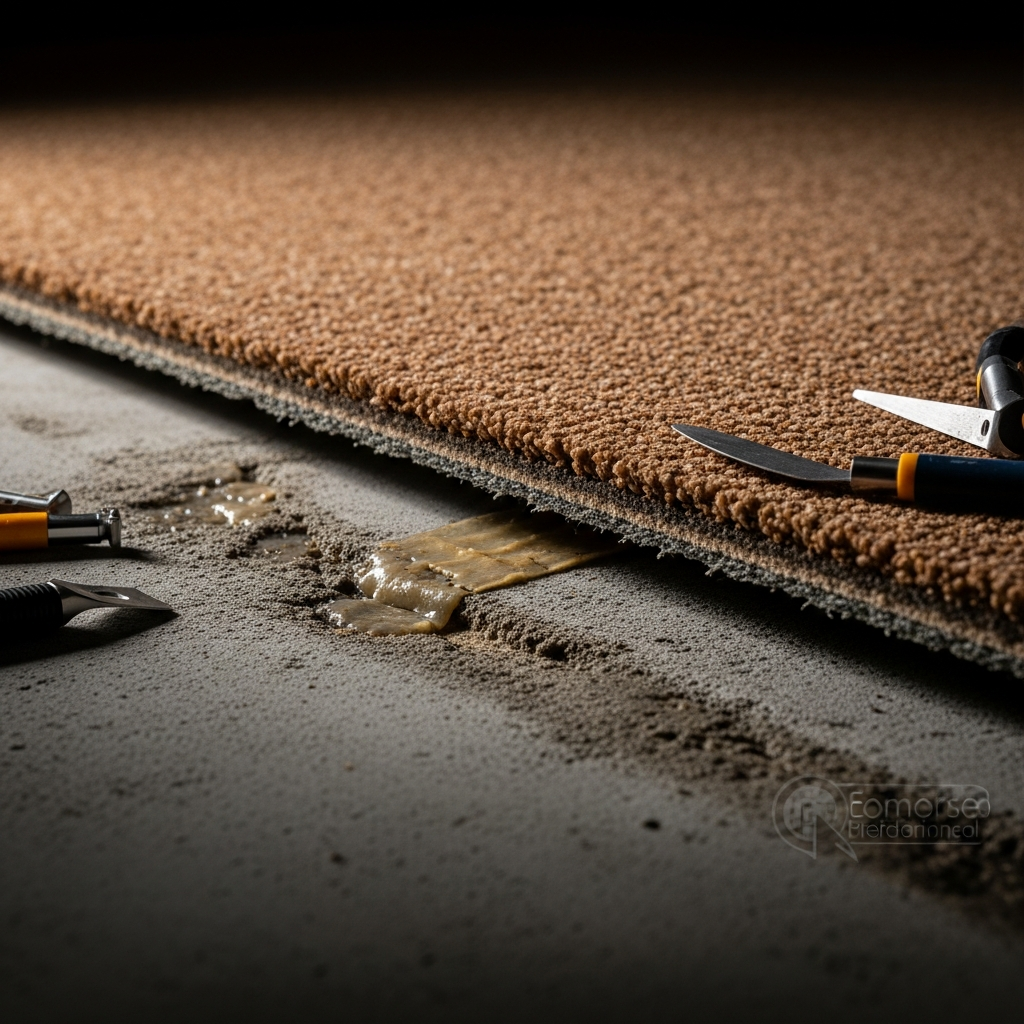
In the world of luxury interiors, a pristine carpet is a cornerstone of design. Yet, even the highest-grade textile can fail spectacularly, not from foot traffic, but from failures originating below the surface. Subfloor component interaction is a complex, often overlooked science. When ignored, it can lead to catastrophic aesthetic failures, adhesive breakdown, and compromised indoor air quality, turning a significant investment into a costly liability. The subfloor is not merely a foundation; it is an active variable in the longevity and performance of your carpet installation.
Subfloor moisture is the most prevalent and destructive agent in carpet system failures. For concrete slabs, the industry-standard ASTM F2170 test for in-situ relative humidity (RH) is critical. Most carpet and adhesive manufacturers mandate an RH reading of 85% or lower before installation can proceed. When RH levels exceed this threshold, the excess water vapor migrates upwards, creating a twofold problem. First, it can re-emulsify water-based adhesives, leading to bubbling, delamination, and seam failure. Second, this moisture brings soluble salts from within the concrete to the surface as it evaporates—a process called efflorescence. These salt crystals form a fine, white powder that creates a bond-breaking layer between the adhesive and the concrete, physically pushing the carpet away from its foundation and ensuring installation failure.
Beyond structural issues, improper subfloor conditions directly impact indoor air quality through adhesive off-gassing. Many modern carpet adhesives are formulated with water-based, high-boiling point compounds like glycol ethers. When a concrete subfloor has excessive moisture, it significantly slows the adhesive’s curing process. This prolonged drying time extends the off-gassing period of volatile organic compounds (VOCs). Instead of dissipating over days, harmful compounds like benzene and formaldehyde, often found in adhesives, can be released for months. Research indicates this slow, steady emission of VOCs is a primary contributor to persistent
No responses yet