


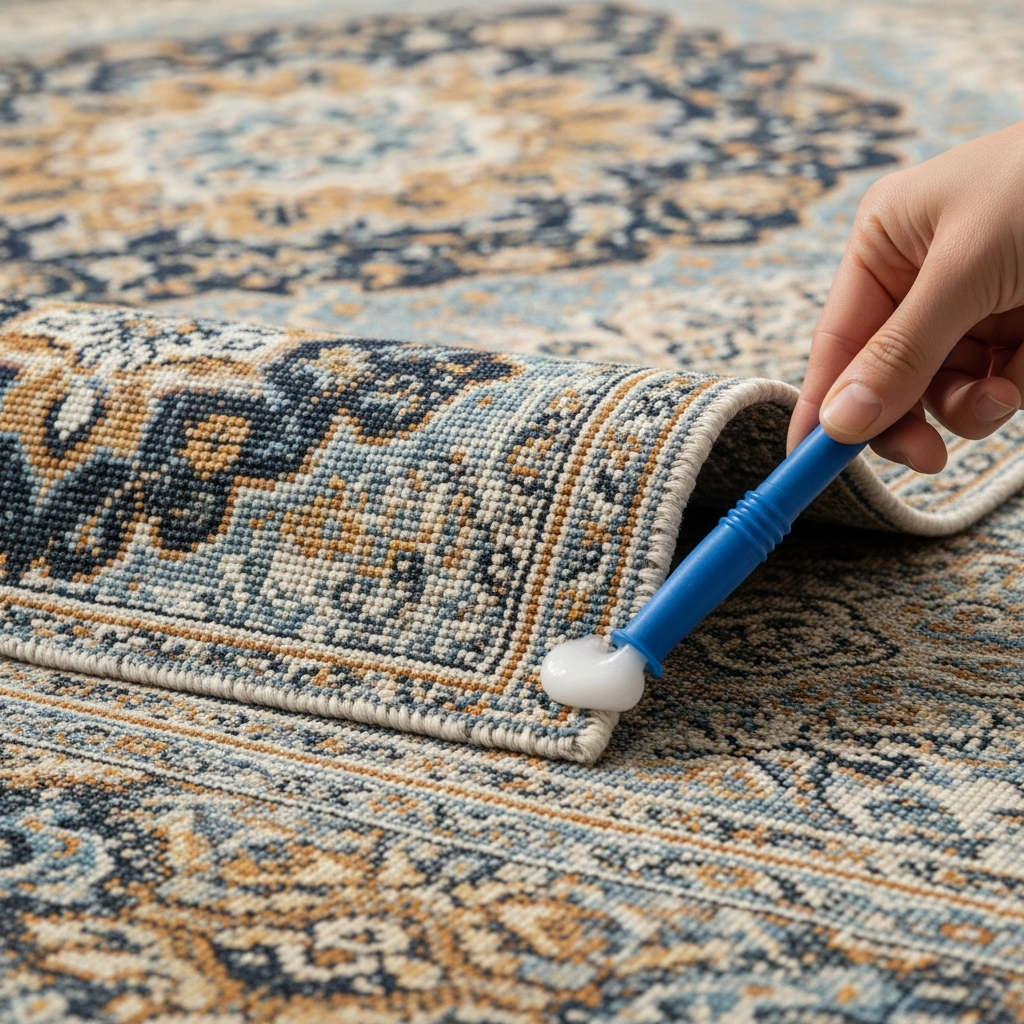
Axminster and Wilton carpets represent the pinnacle of textile engineering, prized in luxury hospitality and residential settings for their intricate designs and durability. However, the very woven construction that gives them strength also presents unique cleaning challenges. Unlike tufted carpets, their integrated face yarns and complex woven-backing system demand a scientific, not speculative, approach. Improper cleaning doesn’t just risk aesthetic damage; it can compromise the carpet’s dimensional stability, leading to irreversible structural failure.
The primary vulnerability of traditional Axminster and Wilton constructions lies in their backing yarns, which often contain natural jute or cotton fibers. These cellulosic materials are highly hygroscopic, meaning they absorb and retain significant moisture. Research from textile institutes demonstrates that when over-wetted during cleaning—exceeding a moisture saturation level of 20% of the backing’s weight—these yarns swell and then shrink unevenly upon drying. This can lead to seam peaking, delamination, and a loss of structural integrity. Furthermore, this excess moisture can wick tannins and lignins from the jute to the surface, causing cellulosic browning, a yellowish-brown discoloration that is difficult to reverse without specialized chemical treatments.
Chemical selection is equally critical, particularly for the wool face fibers common in high-end Axminster rugs. Wool is an acidic protein fiber, maintaining its structural and aesthetic integrity within a specific pH range, typically between 4.5 and 8.5. The use of high-alkaline cleaning agents (pH 10 or higher), often found in aggressive pre-sprays, can cause significant, permanent damage. At a microscopic level, alkalinity opens the fiber’s cuticle scales, leading to dye migration in multi-colored Wilton weave patterns and a harsh, brittle feel. Forensic cleaning investigations show that up to 70% of color bleed incidents in woven wool carpets are directly attributable to cleaning solutions with an inappropriate pH level, stripping the natural lanolin and breaking down the dye-to-fiber bonds.
Therefore, a successful maintenance strategy for Axminster and Wilton carpets is rooted in controlled, low-moisture cleaning methodologies. Encapsulation or advanced very-low-moisture (VLM) systems are often superior to traditional hot water extraction, as they minimize water penetration into the woven-backing. When extraction is necessary for heavy soiling, it must be performed with high-performance equipment that recovers a minimum of 85-95% of the cleaning solution. Technicians must exclusively use WoolSafe-approved or pH-neutral products, conduct thorough dye stability tests prior to cleaning, and accelerate drying with high-velocity air movers. This meticulous, science-based protocol ensures the preservation of these exceptional textile assets.
No responses yet