


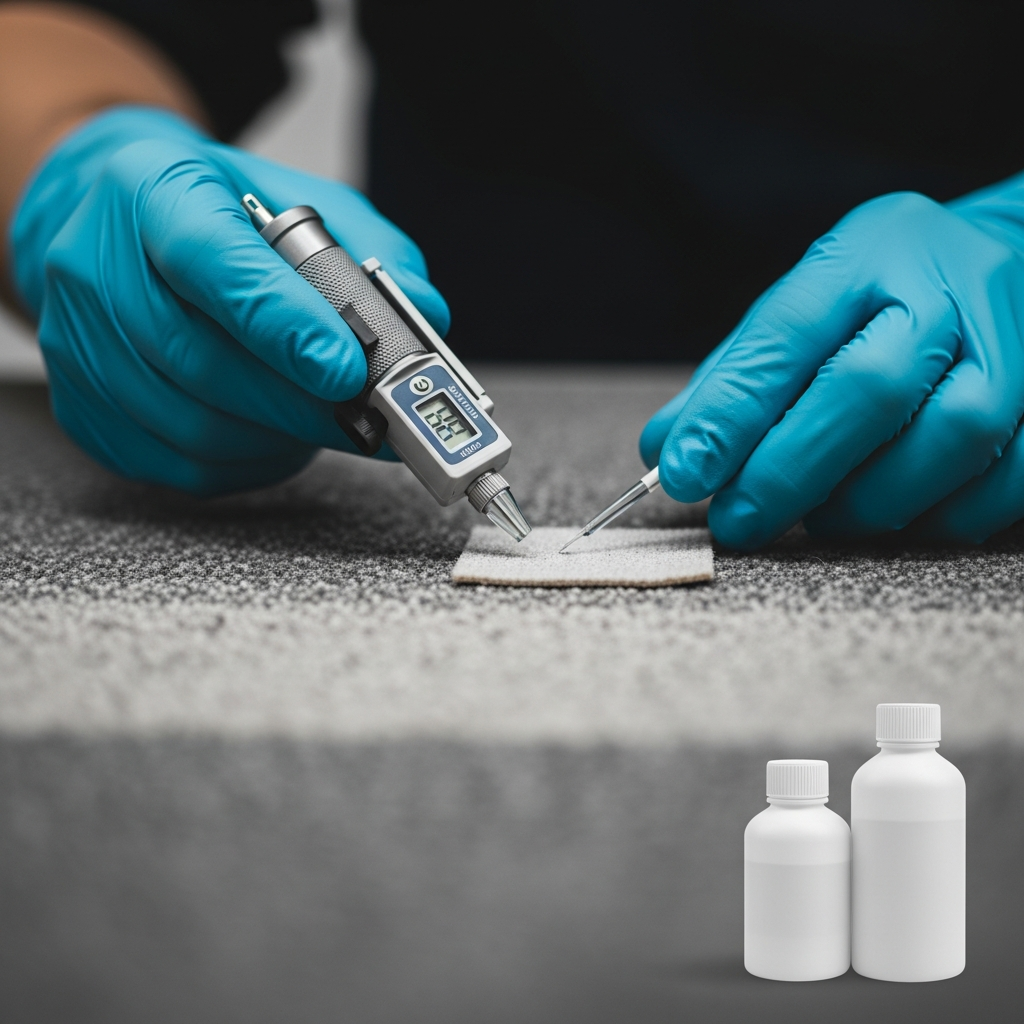
In the world of luxury textiles and high-end commercial carpets, surface-level cleaning is insufficient. True preservation demands a mastery of chemistry, beginning with the most fundamental tool: the pH scale. For premier maintenance firms, understanding the logarithmic power of pH is not merely best practice—it is the critical differentiator between reversible cleaning and permanent fiber damage. Moving beyond generic detergents, the elite technician wields alkaline and acidic agents with scientific precision, targeting specific soils at a molecular level to restore textiles to their original state while safeguarding asset value.
The science begins with an immutable fact: the majority of soils, including oils, fats, and particulate grime, are acidic. Research confirms that applying a targeted alkaline prespray, typically in the 9.5 to 10.5 pH range, is exceptionally effective at breaking down these common acidic soils. This process, known as saponification, transforms greasy residues into water-soluble soaps that can be easily extracted. According to the Institute of Inspection, Cleaning and Restoration Certification (IICRC), a pH of 10 is the safe upper limit for most modern synthetic fibers like nylon and polyester, preventing warranty voids and fiber degradation. Exceeding this can strip factory-applied stain protectors and compromise dye stability, a costly error in any luxury setting.
However, the strategic application of alkalinity is only half of a complete treatment. After an alkaline agent dissolves acidic soils, a critical rebalancing is required. Leaving carpet fibers in a high-pH state creates a chemical environment that attracts new soil at an accelerated rate, leading to rapid resoiling and a stiff, unpleasant texture. This is where the acid-rinse becomes indispensable. A carefully formulated acidic rinse, typically between 3.0 and 5.0 pH, neutralizes alkaline residues left by the prespray. This action returns the carpet to a neutral or slightly acidic state, which is its natural condition. This neutralization not only removes performance-inhibiting residues but has been shown to leave fibers softer to the touch and significantly brighten colors by removing the dulling film of alkaline salts.
Ultimately, a professional’s approach to stain chemistry must be a two-step protocol of controlled alkalinity followed by precise neutralization. This methodical process ensures maximum soil removal without compromising the integrity of expensive textiles. For facility managers and homeowners, vetting a cleaning service should involve direct questions about their pH management strategy. Inquire about their use of both alkaline presprays for deep cleaning and neutralizing acid-rinses to finish the job. This ensures you are hiring a scientifically informed specialist dedicated to long-term asset preservation, not just temporary appearance.
No responses yet