


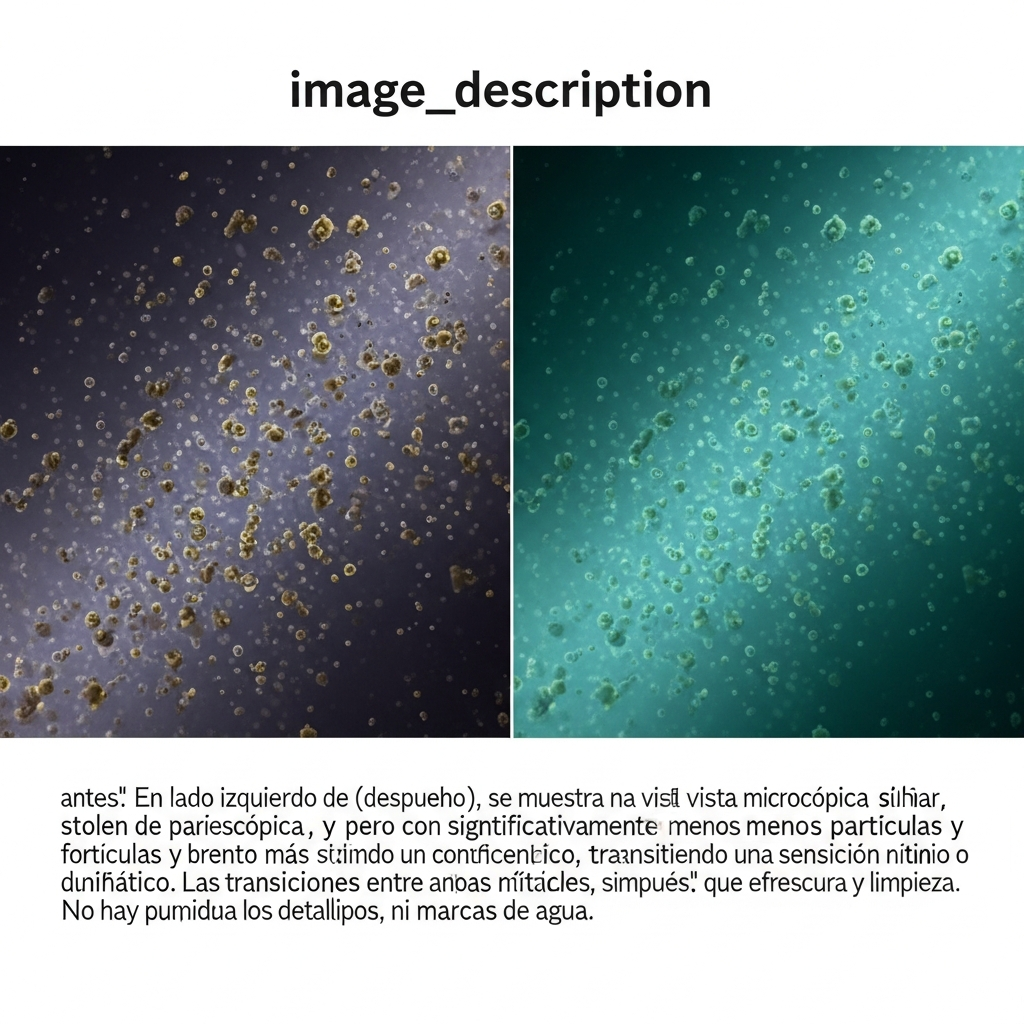
Beyond aesthetics, the primary role of professional carpet maintenance is to create healthier indoor environments. While visually cleaner carpets are an obvious benefit, the more critical improvements are often invisible. For years, facility managers and homeowners have operated on the belief that cleaning improves air quality, but what does the science say? Recent studies provide definitive, measurable proof that professional hot water extraction does more than just remove dirt—it systematically eliminates respiratory irritants from the air we breathe.
The most compelling evidence lies in allergen reduction. Carpets act as passive air filters, trapping allergens like dust mites, pet dander, and pollen that would otherwise remain airborne. Independent research demonstrates the profound efficacy of professional hot water extraction in removing these triggers. One landmark study quantified the results, showing a reduction of surface-level dust mite allergens by 91%, cat allergens by 95%, and dog allergens by an astounding 97%. Another study focusing specifically on airborne particulates found that after cleaning, airborne dust mite allergens were reduced by over 55%, and cat allergens circulating in the air dropped by nearly 70%. This process physically removes the source of irritation, directly benefiting occupants with asthma or allergies.
Further scientific analysis reveals that the benefits extend to microbial threats. High-temperature water and advanced cleaning solutions used in professional extraction methods are proven to be highly effective at sanitizing carpet fibers. Research has shown that this method can eliminate up to 90% of bacteria harbored deep within the carpet pile, such as E. coli and Staphylococcus. By drastically reducing the microbial load, professional cleaning not only mitigates odors but also curtails the circulation of germs that can compromise respiratory health, turning a simple textile floor into a liability for sensitive individuals.
The data is conclusive: professional carpet cleaning is a vital health and safety service, not just a cosmetic one. The dramatic, scientifically verified reduction in airborne allergens and surface-level bacteria provides a powerful argument for implementing a consistent maintenance schedule. For corporate and luxury environments where occupant wellness is paramount, investing in a scheduled deep cleaning program is a direct investment in superior indoor air quality and respiratory health. It transforms carpets from a potential source of contaminants into an active component of a healthier building.
No responses yet