


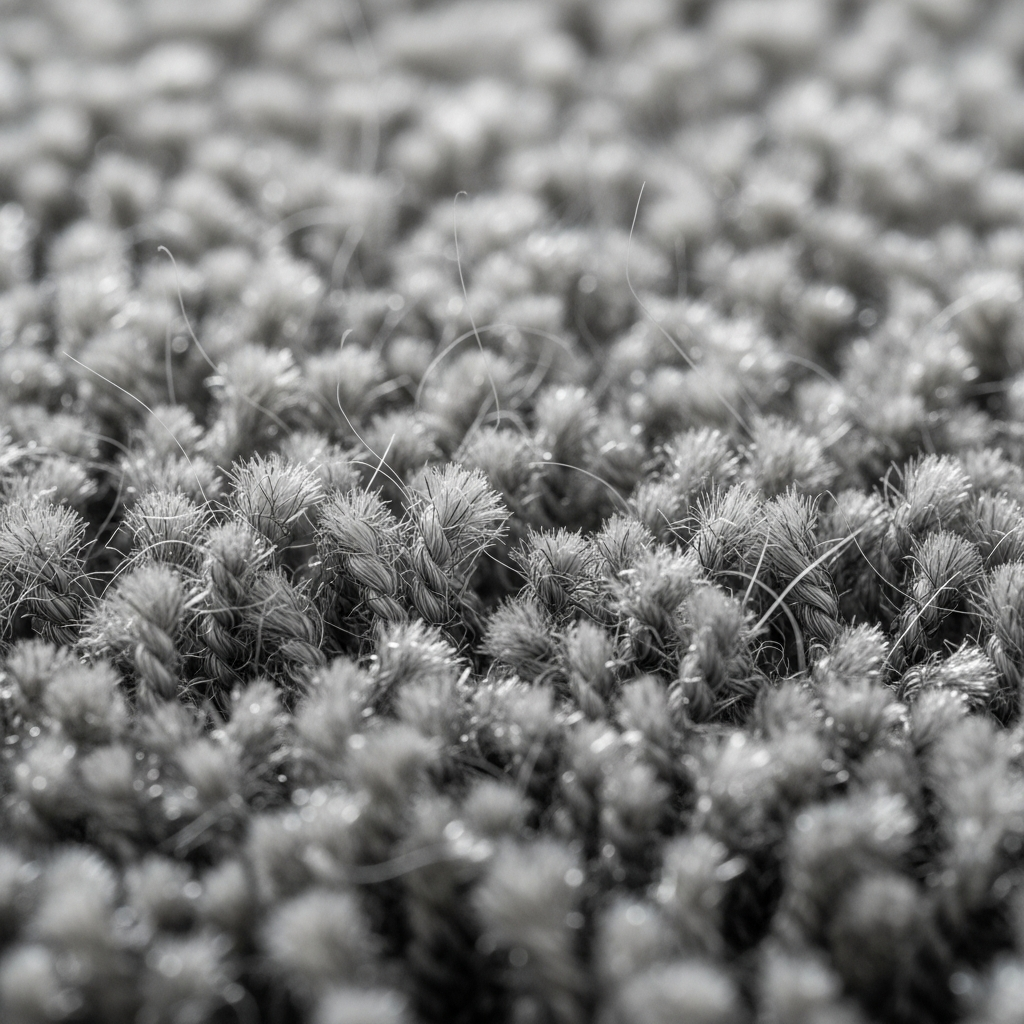
In the luxury and corporate sectors, the visual appeal of a pristine carpet is a given. However, a more critical metric lies unseen, impacting occupant health and wellness: indoor air quality. Volatile organic compounds (VOCs), emitted from countless sources, pose a persistent respiratory health challenge. While new carpet off-gassing is a known concern, cutting-edge research reveals a more complex issue. Carpets act as vast chemical “sinks,” actively absorbing and trapping airborne VOCs, only to release them back into the breathing zone over time. This transforms a significant interior asset into a potential liability for air quality.
Scientific investigations into material science reveal the profound capacity of carpet fibers to function as reservoirs for volatile compounds. Beyond the initial off-gassing of materials like styrene and 4-phenylcyclohexene (4-PCH) from backing materials, carpets continuously capture VOCs from cleaning agents, air fresheners, furniture, and even outdoor pollutants. One surprising research finding highlights the complexity of this interaction: the very act of cleaning can temporarily increase airborne concentrations of approximately 60% of measured VOCs. This occurs as the cleaning process disturbs the equilibrium and re-releases trapped compounds, underscoring the need for scientifically-backed removal methods over simple surface cleaning.
The premier method for actively removing this embedded chemical load is professional hot water extraction. While often associated with aesthetic cleaning, its health benefits are quantifiable and significant. In comprehensive studies conducted by leading aerobiology research firms like Airmid Healthgroup, hot water extraction has been shown to reduce surface allergens on carpets by an astounding 91% to 97%. While allergens are not VOCs, this demonstrates the method’s deep-flushing power. More directly, research supported by the Environmental Protection Agency has indicated that repeated professional cleaning is a highly effective solution for eliminating toxic chemicals, capable of reducing levels of certain semi-volatile compounds by as much as 90% after several treatments.
Ultimately, managing indoor air quality is not a passive activity but a technical discipline. For facility managers and homeowners dedicated to providing the healthiest possible environment, understanding the role of carpeting as a VOC sink is crucial. The data confirms that a proactive strategy of regularly scheduled, professional hot water extraction is the most effective intervention. This service transcends mere maintenance; it is a vital health protocol that actively purges trapped pollutants from the indoor environment, neutralizing the chemical sink effect and ensuring the air remains as clean and luxurious as the finishes themselves.
No responses yet