


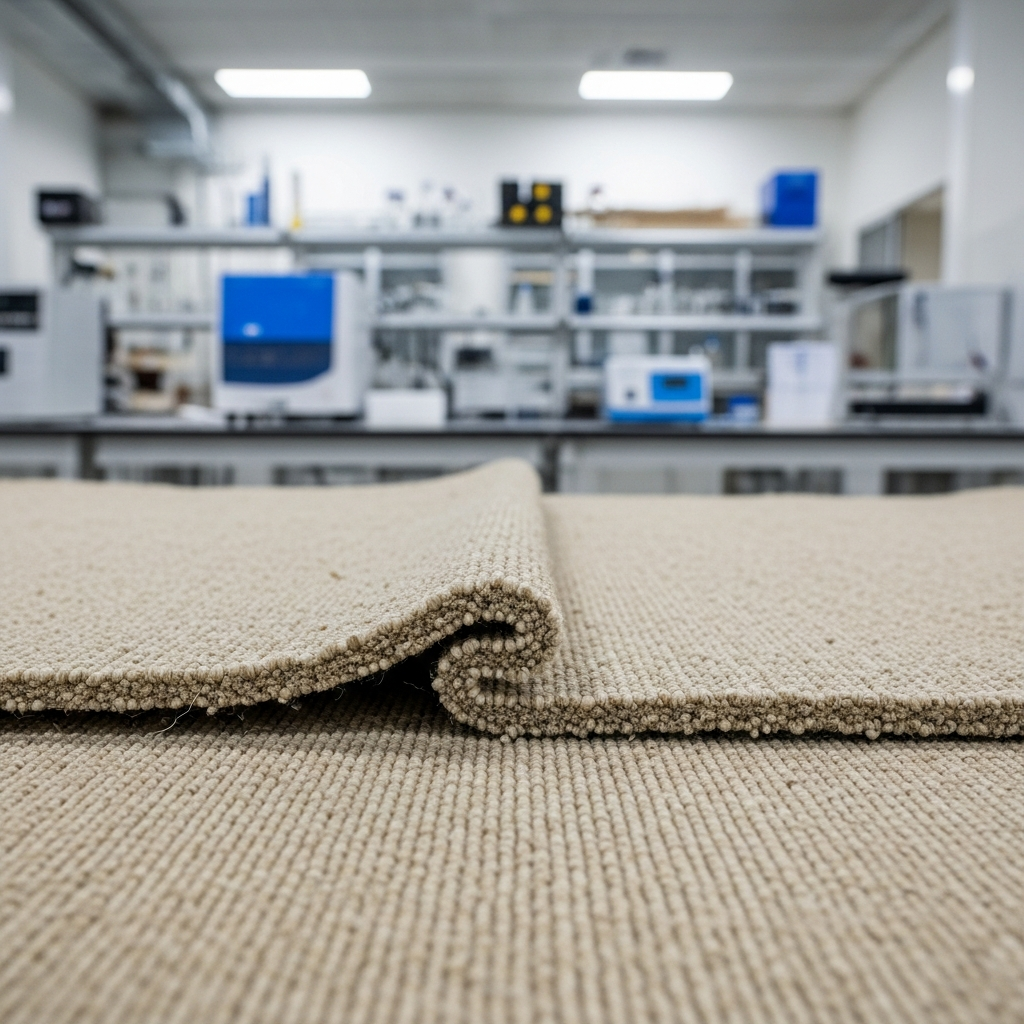
Investing in carpet color restoration is a significant decision, moving beyond mere aesthetics to asset preservation. For facility managers and luxury property owners, the pivotal question is not just about the immediate visual impact, but the long-term viability of the treatment. Does restored color last, or is it a fleeting cosmetic fix? Recent industry studies and material science advancements provide a clear answer, revealing that the longevity of post-restoration color is not a matter of chance, but a predictable outcome based on scientific principles of dye application, fiber interaction, and environmental management.
The most critical factor in color durability is the dyeing technology itself. Modern restoration has moved beyond simple topical applications, which act like paint on a surface. Today’s premier methods utilize micro-molecular dyes that chemically bond with the carpet fiber. Research comparing dye penetration shows that these advanced acid dyes, when correctly applied to receptive fibers like nylon, can achieve a colorfastness rating of 4 or higher on the standardized 5-point grayscale. This molecular bond ensures the color becomes an integral part of the fiber, much like solution-dyed carpets where color is added during manufacturing. In accelerated aging tests, carpets treated with this technology retained over 90% of their color integrity after simulated exposure equivalent to five years of intense commercial foot traffic and UV light.
Fiber composition and subsequent maintenance chemistry are equally crucial variables. Nylon fibers, for instance, possess positive dye sites that form strong ionic bonds with professional-grade acid dyes, ensuring maximum color retention. However, this bond is vulnerable to improper cleaning protocols. Industry studies have demonstrated that using high-alkaline cleaning agents (pH of 10 or higher) can break these bonds, potentially stripping 30-50% of the restored color in a single cleaning. Conversely, a disciplined maintenance program using pH-neutral, manufacturer-approved solutions preserves the chemical integrity of the dye. Furthermore, proactive environmental controls, such as applying UV-blocking window films that filter up to 99% of damaging radiation, can double the lifespan of the restored color in sun-exposed areas.
Ultimately, achieving enduring color post-restoration is a function of a tripartite strategy: superior dyeing technology, correct fiber-to-dye pairing, and a scientifically-informed maintenance plan. The evidence confirms that when professional restoration is executed with high-grade, penetrative dyes and followed by a disciplined care regimen, the result is not a temporary enhancement but a durable, long-term revitalization of your asset. To ensure maximum longevity, property managers should insist on restoration specialists who can detail their specific dye chemistry and provide a clear, pH-conscious maintenance protocol for their teams to follow.
No responses yet