


Investing in professional carpet color restoration is a significant decision, revitalizing interiors and extending the life of valuable assets. However, the true return on this investment is measured not in the initial vibrancy, but in its endurance over time. The question many stakeholders ask is: How long will it last? The answer lies not in speculation, but in scientific data surrounding dye chemistry and environmental exposure. Recent industry studies provide a clear framework for understanding and maximizing the durability of restored carpet color, ensuring brilliance that withstands daily operational demands.
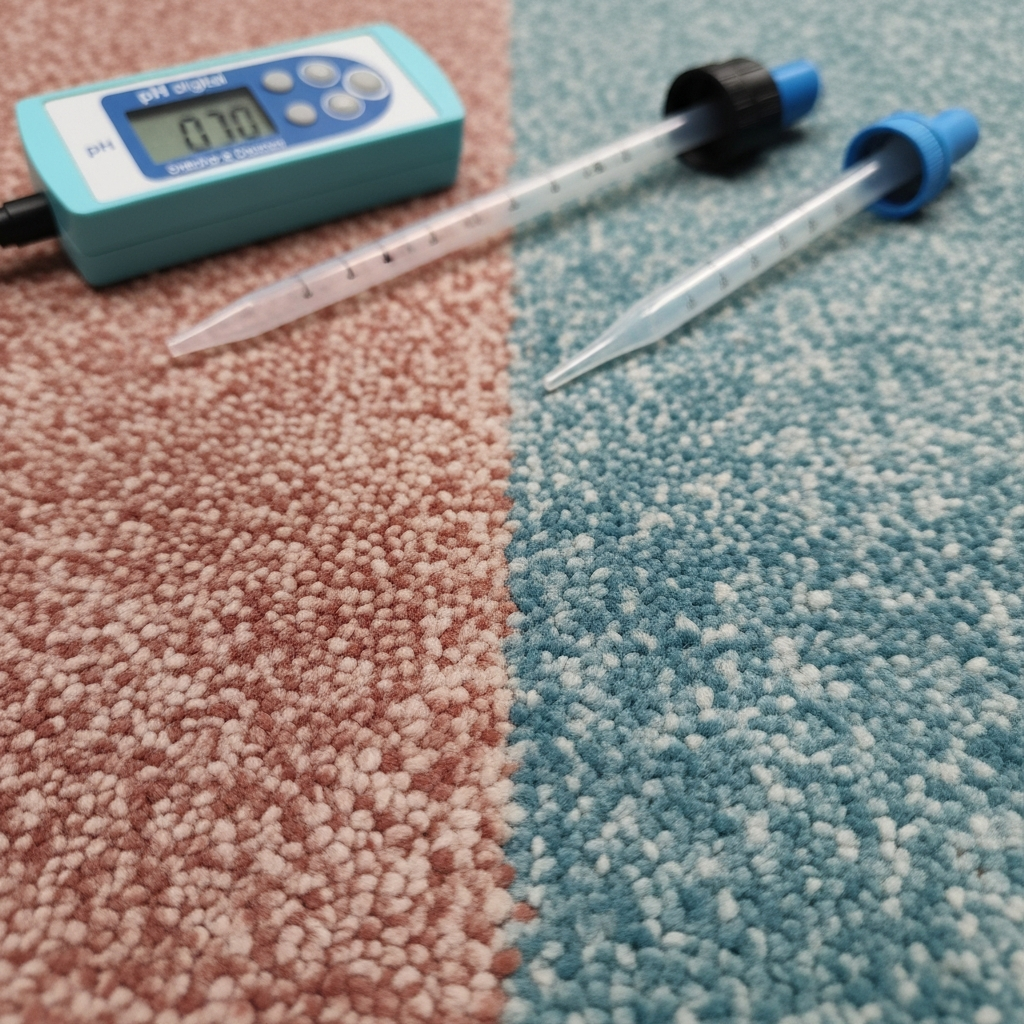
A critical factor governing the longevity of restored color is the chemical environment post-treatment, specifically the pH of cleaning agents. Professional restoration involves acid dyes that form a strong chemical bond with nylon or wool fibers. Subsequent cleaning with high-alkaline detergents (pH of 10 or higher) aggressively breaks these bonds, leading to rapid color loss and bleeding. Research shows that repeated use of such cleaners can reduce colorfastness by over 50% in a fraction of the carpet’s expected lifecycle. Industry best practices, backed by chemical analysis, mandate the use of pH-neutral or slightly acidic cleaning solutions (pH 7 to 8.5) to maintain the integrity of the dye sites, ensuring the restored color remains stable and vibrant for years, not months.
The second major variable impacting color durability is photodegradation from ultraviolet (UV) light. Scientific testing quantifies this threat with precision. An extensive study on commercial dyes revealed an average color loss of 40% after just 200 hours of continuous exposure to concentrated artificial UV light—an accelerated simulation of long-term sun exposure. For commercial spaces with significant natural light, this degradation is a primary concern. Carpets constructed with solution-dyed fibers, where pigment is integrated into the fiber during manufacturing, inherently offer superior UV resistance, often rating a 7 or 8 on the Blue Wool Scale for lightfastness. For post-dye restorations, this underscores the importance of mitigation. Implementing UV-blocking window films, which can filter up to 99% of harmful radiation, is a proven strategy to dramatically extend the life of the restored color, directly countering the effects of photodegradation.
Ultimately, the longevity of a carpet color restoration is a function of controlled maintenance and environmental management. The science is unequivocal: the vibrancy achieved through professional dyeing can be preserved or destroyed based on subsequent care. To protect this investment, facility managers and property owners must enforce strict maintenance protocols. This includes specifying pH-neutral cleaning agents, investing in UV-protective measures for sun-exposed areas, and partnering with cleaning professionals who understand the chemistry of dye preservation. By aligning maintenance practices with scientific principles, the brilliance of restored carpets can be sustained, ensuring a lasting aesthetic and maximizing asset value.
No responses yet