


For facility managers and discerning homeowners, the visual appeal of a carpet is only half the story. The unseen science of how textiles impact indoor air quality is a far more critical narrative. Carpets function as vast, passive air filters, trapping airborne particulates that would otherwise remain suspended. While this filtering capacity is a benefit, it underscores a crucial responsibility: without scientifically-backed maintenance, this reservoir of pollutants can degrade the health of an indoor environment. Understanding the dynamics of allergen accumulation is no longer a niche concern—it is a fundamental aspect of modern property management and wellness.
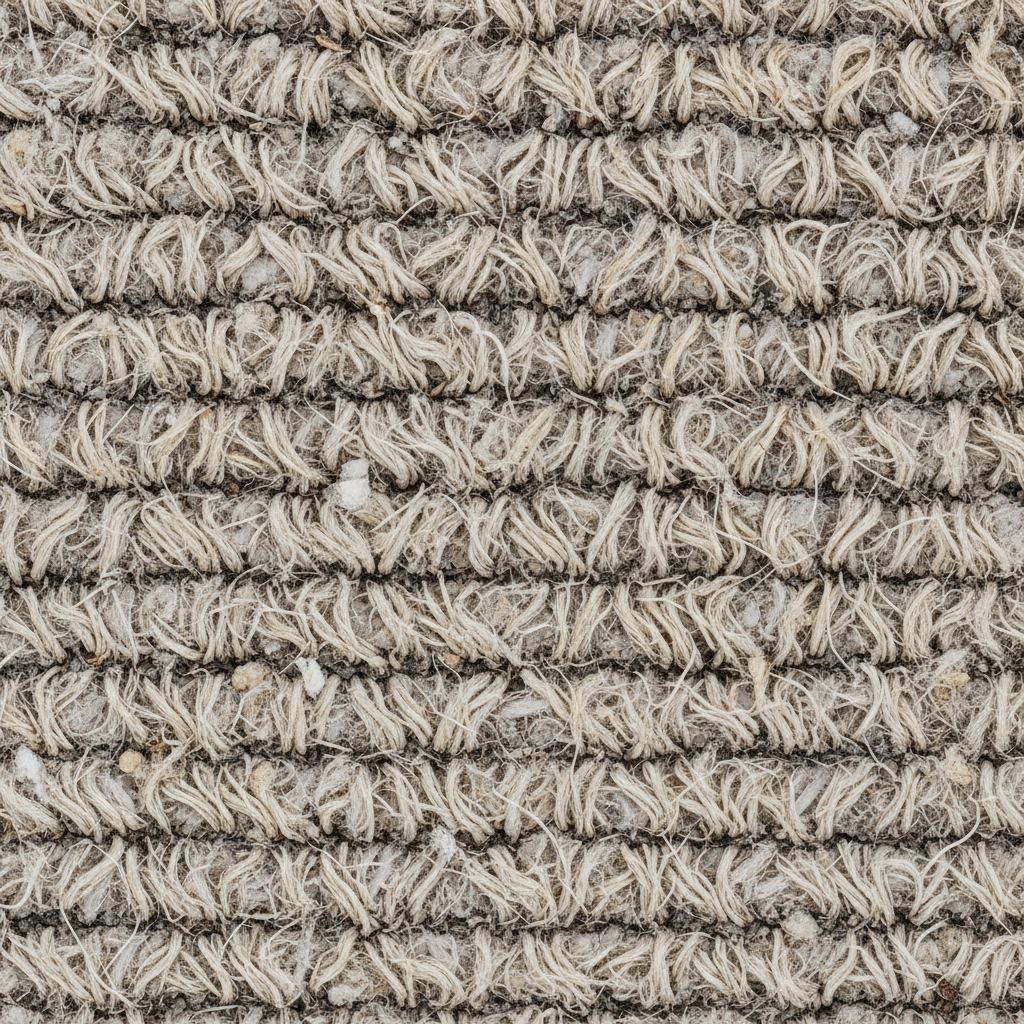
Research into textile flooring science reveals a startling capacity for allergen retention. Studies have demonstrated that a single square meter of carpet can harbor up to 100,000 dust mites, which can produce a significant volume of allergenic waste particles. Furthermore, data shows that carpets can hold up to eight times their weight in dust and pollutants, trapping pet dander, pollen, and mold spores deep within their fibers. In fact, compared to hard surfaces, which allow allergens to be easily disturbed and re-circulated by foot traffic and airflow, carpet fibers effectively lock them down. One study found that walking on hard flooring aerosolized significantly more fine particulate matter than walking on carpeted surfaces, highlighting the carpet’s role in keeping these allergens out of the immediate breathing zone—provided they are regularly and properly removed.
The efficacy of professional cleaning methods in mitigating this bio-load is well-documented. Standard vacuuming, even with HEPA filters, primarily addresses surface-level debris. However, independent research confirms that professional hot water extraction is a clinical-level intervention. Studies analyzing dust samples before and after this process show a dramatic reduction in allergens. For instance, documented findings report that hot water extraction can remove over 97% of surface-level bacteria and up to 98% of trapped dust mite and pet allergens. This method doesn’t just clean; it scientifically sanitizes the carpet’s ecosystem by using controlled heat, targeted cleaning solutions, and powerful extraction to physically remove the embedded source of contamination, effectively resetting the carpet’s filtration capabilities.
Ultimately, a proactive approach to carpet care is an investment in superior indoor air quality. The science is clear: carpets are highly effective at capturing allergens, but this benefit is contingent upon their systematic removal. Relying on superficial cleaning methods allows for a dangerous accumulation that can compromise occupant health. Integrating a professional deep cleaning schedule based on hot water extraction is not a matter of aesthetics but a critical control measure. By leveraging proven cleaning science, property managers can ensure their textile flooring assets perform their function optimally, contributing to a cleaner, healthier, and more professional environment for everyone.
No responses yet